

In 2025, artificial intelligence has become a fundamental part of how businesses operate, communicate, and scale. Among the most transformative AI tools are chatbots and virtual assistants. Once limited to simple, repetitive tasks, today’s AI chatbots for business have evolved into powerful conversational systems capable of handling complex requests, engaging customers in real time, and influencing buying decisions with remarkable precision. For Q-Tech Business and similar growth-focused companies, these AI-driven assistants are not merely optional tools, they are essential assets that significantly increase conversions, reduce operational costs, and enhance customer relationships.
AI has pushed businesses to think differently about customer interactions. Consumers now expect instant answers, personalized experiences, and support at any hour of the day. Traditional human teams, no matter how trained, cannot provide that level of consistency. This is where advanced AI chatbots step in and fill the gap with accuracy, speed, and intelligence. They respond instantly, understand context, and guide users through their buying journey, turning ordinary website visitors into qualified leads and qualified leads into paying customers.
The Rise of AI Chatbots for Business in 2025
The rapid rise of AI chatbots in 2025 is rooted in the major technological improvements of the last few years. Previously, chatbots could only follow pre-written scripts, match limited keywords, or perform basic tasks like answering FAQs. Today, advancements in natural language processing, machine learning, and behavioral analytics allow AI to understand human tone, intent, and problem patterns. This means that modern chatbots don’t just answer questions, they think, analyze, and guide, acting more like intelligent digital assistants than simple text responders.
Businesses have discovered that AI chatbots reduce friction in the customer journey, which is one of the biggest contributors to conversion drop-offs. A customer who is confused, uncertain, or waiting for a response is far more likely to leave the site. However, a customer who receives instant help, personalized recommendations, and real-time clarity feels more confident to continue exploring or make a purchase. This shift in user behavior directly explains why so many companies, from e-commerce brands to real estate agencies to service-based businesses, are integrating AI chatbots into their websites and support systems.
Why AI Chatbots Increase Conversions: The Human Psychology Behind It
To understand why AI chatbots for business boost conversions, it’s important to consider human psychology. Customers today are impatient. When they land on a website, they want answers immediately. If they have to wait for an email response, search through multiple pages, or struggle to find the information they need, they lose interest. AI chatbots eliminate this frustration by providing instant responses, reducing the chances of abandonment.
Another psychological factor is the desire for guidance. Modern consumers often feel overwhelmed by choices. Whether they are choosing a service package, comparing two products, or trying to understand a pricing plan, too many options can lead to confusion and hesitation. AI chatbots become digital advisors in these moments, helping customers decide what fits their needs through personalized suggestions. This reduces decision fatigue and nudges customers closer to conversion.
Personalization also plays a major role. When a chatbot remembers a returning customer’s preferences, browsing behavior, or past questions, it creates a sense of familiarity and trust. The interaction feels tailored rather than generic, which increases the likelihood of a purchase. Consistency is the final psychological factor. Unlike human agents who may vary in tone, mood, or response speed, AI delivers a consistent brand experience every time, something customers highly value.
How AI Chatbots Boost Conversions in Real-World Scenarios
One of the biggest strengths of AI chatbots for business is their ability to qualify leads automatically. Instead of sales teams spending hours filtering through inquiries, the chatbot can ask relevant questions, identify customer intent, budget range, and timeline, and categorize the lead accordingly. This ensures that human salespeople only focus on high-intent prospects, increasing efficiency and speeding up the closing process.
AI chatbots also enhance product discovery. In e-commerce, customers frequently struggle to choose among dozens of similar options. A chatbot can analyze browsing history, current page activity, and previous purchases to recommend the best products. This real-time assistance helps customers feel more confident and informed, ultimately increasing the chances of them completing the purchase.
Another major conversion booster is 24/7 support. A human team cannot operate round the clock, but AI can. Many online purchases happen late at night or early in the morning, times when businesses are usually closed. With a chatbot available at all hours, customers always get help, eliminating the risk of losing nighttime sales simply because no one was there to respond.
Cart abandonment, one of the biggest challenges for online stores, is also significantly reduced with AI chatbots. A chatbot can detect when a customer is about to leave and appear with helpful information, shipping updates, or discount offers. Sometimes customers simply need reassurance or a quick answer to complete their order. The chatbot delivers that reassurance instantly, recovering sales that would have otherwise been lost.
Businesses also benefit from the chatbot’s ability to resolve queries quickly. Instead of searching through lengthy FAQ pages, customers can simply ask, “What is your return policy?” or “How long does delivery take?” and receive immediate answers. Faster resolutions keep users engaged, preventing them from going to competitors who might offer clearer, quicker information.
AI chatbots also excel at upselling and cross-selling in a natural, conversational manner. Instead of placing banners that customers might ignore, the chatbot recommends complementary products based on what the user is already viewing or intends to purchase. This conversational approach feels more like helpful guidance than aggressive selling, which improves conversion rates and increases average order value.
Another often overlooked advantage is the chatbot’s ability to communicate in multiple languages. This is especially valuable for businesses targeting global markets. A user who is not fluent in English but can receive support in their native language is far more likely to trust the brand and complete a purchase. This expands a business’s reach without hiring multilingual staff.
Service-based businesses, such as clinics, real estate agencies, or consulting firms, also experience conversion boosts through automated appointment scheduling. Chatbots can check calendars, book appointments, send reminders, and answer questions, all without human involvement. This convenience leads to more booked meetings and fewer missed opportunities.
Finally, AI chatbots reduce the cost of customer support. By handling routine inquiries and tasks, businesses can operate with smaller support teams while still maintaining high-quality service. The savings can then be reinvested into marketing, product development, or customer acquisition, creating a cycle of growth.
Key Features That Make Chatbots Effective in 2025
Not all chatbots produce strong results. The most effective AI chatbots for business in 2025 have advanced natural language understanding, allowing them to comprehend user intent, slang, spelling mistakes, and even emotional cues. This makes conversations feel more human and less robotic.
Personalization is another critical feature. High-performing chatbots analyze customer data, browsing habits, and past interactions to deliver tailored responses. For example, if a user previously browsed laptops, the chatbot might ask if they want help comparing laptop models instead of giving generic suggestions.
Integration is also essential. A chatbot must be connected to e-commerce platforms, CRMs, booking systems, inventory databases, and order tracking tools. Without these integrations, it cannot provide real-time information, which limits its usefulness.
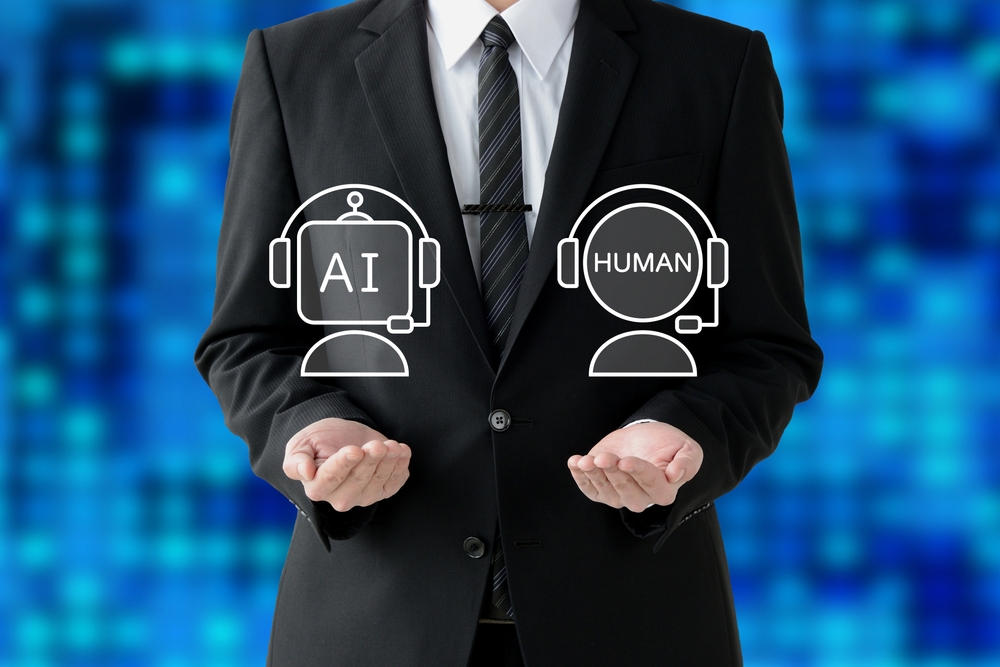
Human handoff capability is equally important. While AI can handle many tasks, some situations require human involvement. An effective chatbot should smoothly transfer the conversation to a live agent when needed, without losing context or forcing the user to repeat themselves.
Analytics dashboards are the final key feature. Businesses need insights into common questions, high-drop-off points, successful conversation flows, and customer satisfaction. These metrics help companies continuously improve their chatbot strategy.
How AI Chatbots Impact Different Industries
AI chatbots for business are not restricted to e-commerce. In real estate, they assist buyers by answering questions about properties, availability, and investment opportunities while scheduling property tours automatically. In healthcare, they help patients book appointments, answer non-clinical queries, and guide them through services. Travel companies use chatbots to assist with bookings, itinerary support, and customer updates. Service businesses benefit from automated inquiries, lead generation, and 24/7 availability, making them more accessible to potential clients.
Across all industries, the pattern is clear: when customers receive fast, personalized, and interactive support, they convert at higher rates.
Common Mistakes Businesses Make With Chatbots
Despite their potential, some businesses fail to use chatbots effectively. One common mistake is relying on a chatbot without training it properly. A poorly trained bot can give wrong answers, create confusion, or frustrate customers. Another mistake is forcing customers to interact only with the chatbot without providing an option to speak with a human agent. This leads to negative experiences when the bot cannot understand complex issues.
Many companies also neglect to update their chatbot. As businesses evolve, new products, policies, offers, and customer concerns emerge. A chatbot must evolve alongside the business. Lack of personalization and poor integration are other frequent issues. If a chatbot cannot access key information, such as stock levels, customer history, or order details, it becomes less useful and provides generic answers.
Implementing an Effective Chatbot for Q-Tech Business
To successfully integrate AI chatbots for business, companies must begin by clearly defining their goals. Whether the aim is to increase sales, reduce support workload, or improve the website experience, a clear purpose will guide the chatbot’s design. Businesses should identify high-impact pages such as product pages, pricing pages, and contact pages where users typically need help.
Selecting the right AI platform is crucial, as not all chatbot builders offer true conversational intelligence. Companies must look for platforms that provide advanced AI capabilities, real-time learning, and deep integrations. After choosing a platform, businesses need to design intuitive conversation flows that guide customers naturally, whether they want to compare products, track orders, or schedule appointments.
Integrating the chatbot with internal systems such as CRMs, databases, and e-commerce platforms ensures accurate and helpful responses. Once the chatbot goes live, businesses should conduct A/B tests, adjust messaging, experiment with different greetings, and analyze customer behavior. Continuous optimization is essential for long-term success.
The Future of AI Chatbots (2025–2030)
Looking ahead, AI chatbots for business will become even more advanced. The future includes voice-capable chatbots that communicate like human assistants, emotional AI that understands customer mood, and autonomous agents that independently perform actions such as completing forms or generating discounts. Industry-specific chatbots will become common, with pre-designed flows tailored to healthcare, real estate, retail, or finance. The most powerful trend will be hyper-personalization, where chatbots understand long-term customer patterns and deliver deeply customized experiences.
Conclusion
AI chatbots for business have become one of the most effective tools for boosting conversions in 2025. They eliminate waiting time, offer personalized recommendations, provide round-the-clock support, and guide customers through the buying journey with intelligence and ease. For Q-Tech Business, integrating an AI chatbot is not just a technological upgrade, it is a strategic investment that directly improves revenue, efficiency, and customer satisfaction. The companies that embrace AI-enhanced communication today will be the ones building stronger brands, deeper trust, and higher conversions tomorrow.
FAQs About AI Chatbots for Business (2025)
Q1. What is an AI chatbot in business?
An AI chatbot is a smart virtual assistant that uses machine learning and natural language processing to communicate with customers, answer queries, automate tasks, and support sales or service operations.
Q2. How do AI chatbots increase conversions?
AI chatbots boost conversions by responding instantly, capturing leads 24/7, personalizing recommendations, reducing drop-offs, and guiding customers through the buying process with real-time support.
Q3. Are AI chatbots expensive to integrate?
No. Most modern chatbots are affordable and scalable. Businesses can start with basic features and upgrade later based on needs. The ROI is usually high because chatbots reduce support costs and increase sales conversions.
Q4. Can AI chatbots replace human agents?
AI chatbots do not replace humans completely. They handle repetitive tasks, basic queries, and initial support, allowing human agents to focus on complex issues that require emotional understanding and decision-making.
Q5. Which businesses benefit most from AI chatbots?
E-commerce stores, service-based companies, SaaS platforms, healthcare providers, real estate agencies, educational institutes, and hospitality businesses benefit the most due to high customer interaction.